Aging is often thought of as something largely determined by genetics. But research suggests that lifestyle choices—especially diet—play a much bigger role in how we age than many people realize.
In fact, scientists estimate that only a small portion of lifespan is dictated by genes, while the rest is shaped by environmental and lifestyle factors such as nutrition, sleep, and physical activity.
What you eat every day can influence inflammation, cellular repair, metabolic health, and even how efficiently your body produces energy. Over time, these factors can either accelerate aging or help slow it down.
Certain foods contain powerful nutrients that support the body’s natural defense systems and protect cells from damage. By incorporating more of these foods into your diet, you can help support healthier aging and long-term wellbeing.
This guide breaks down the science behind anti-aging foods and highlights some of the best foods to include in a longevity-focused diet.
What Are Anti-Aging Foods?
Anti-aging foods are nutrient-dense foods that help protect the body from biological processes associated with aging.
These foods typically contain compounds that:
- reduce oxidative stress
- support cellular repair
- improve metabolic health
- promote a healthy gut microbiome
- lower chronic inflammation
Many of the foods most strongly associated with longevity are rich in antioxidants, fiber, healthy fats, and plant compounds known as polyphenols.
Over time, diets built around these foods have been linked to lower risk of chronic diseases such as cardiovascular disease, diabetes, and cognitive decline.
12 Anti-Aging Foods to Include in Your Diet
While no single food can stop aging, certain foods provide nutrients that support healthy aging and long-term health.
Blueberries
Blueberries are among the richest sources of antioxidants, particularly anthocyanins. These compounds help protect cells from oxidative damage and have been linked to improved brain health and reduced inflammation.
Avocado
Avocados provide monounsaturated fats, fiber, potassium, and vitamin E. These nutrients support cardiovascular health and help regulate inflammation.
Salmon
Fatty fish such as salmon are excellent sources of omega-3 fatty acids, which play a role in reducing inflammation and supporting heart and brain health.
Broccoli
Broccoli is rich in fiber, vitamins, and sulforaphane—a plant compound that supports cellular defense systems and detoxification pathways.
Extra Virgin Olive Oil
Olive oil is a key component of many longevity-focused diets. It contains healthy fats and polyphenols that support cardiovascular health and help reduce inflammation.
Green Tea
Green tea contains catechins, antioxidants associated with improved metabolic health and reduced oxidative stress.
Pomegranates
Pomegranates are rich in polyphenols that support cardiovascular health and may promote cellular repair processes.
Kimchi
Kimchi provides beneficial bacteria that support a healthy gut microbiome—an increasingly important factor in overall health and aging.
Nuts
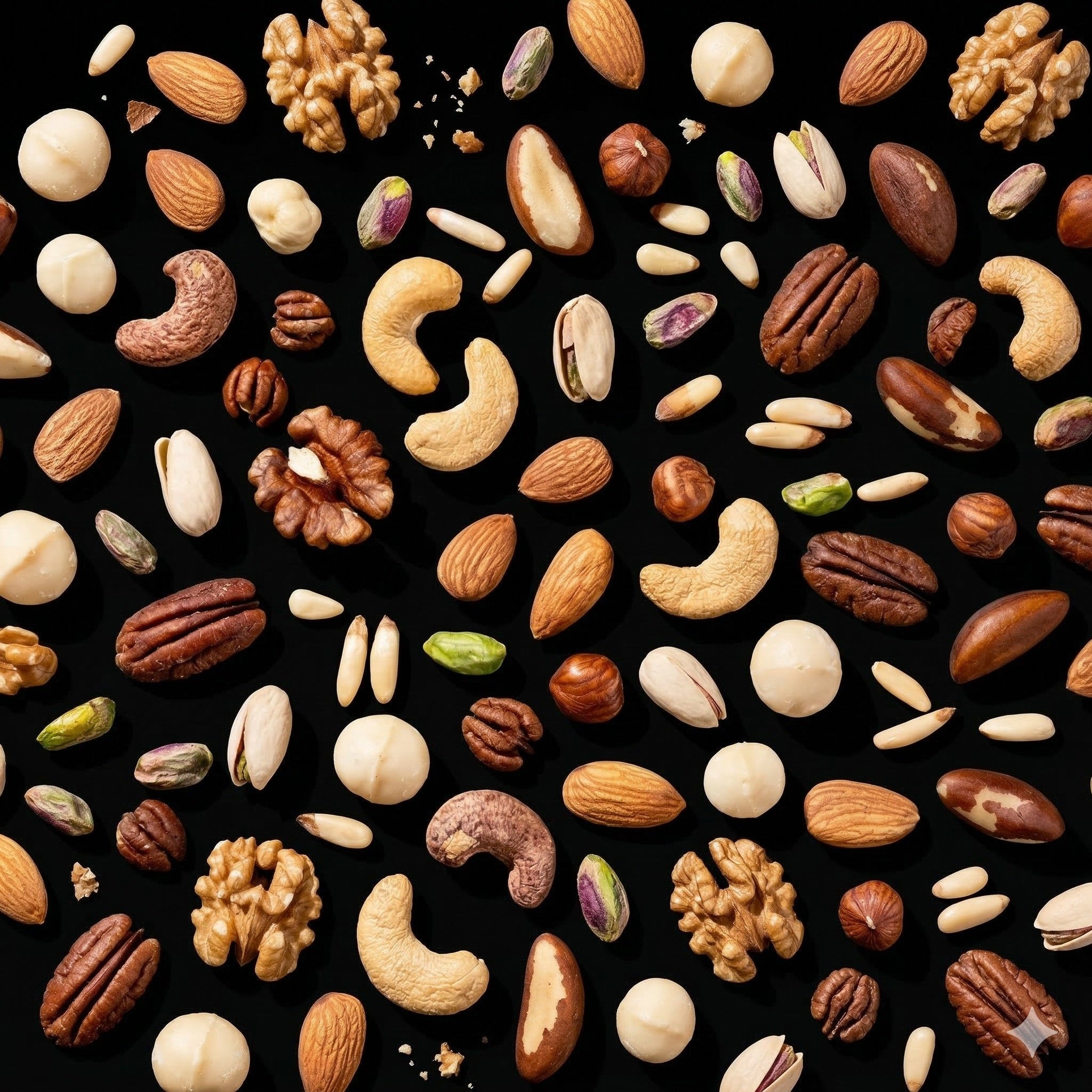
Nuts such as almonds and walnuts contain healthy fats, plant protein, fiber, and antioxidants. Regular nut consumption has been linked to lower risk of cardiovascular disease.
Dark Chocolate
Dark chocolate with a high cocoa content contains flavonoids that may support circulation and heart health.
Tomatoes
Tomatoes are the primary source of lycopene, a powerful antioxidant carotenoid. Research suggests that lycopene helps protect the skin from UV damage (photoaging) and may reduce the risk of cardiovascular disease.
Turmeric
Turmeric contains the active compound curcumin, which possesses potent anti-inflammatory and antioxidant properties. Curcumin is believed to help delay biological aging processes in the brain and body and may help prevent age-related chronic inflammation.
Why Diet Matters for Healthy Aging
Aging is driven by several biological processes. Nutrition can strongly influence many of them.
Oxidative Stress
During normal metabolism, the body produces molecules called free radicals. When these molecules accumulate, they can damage cells, proteins, and DNA. In addition to biological aging, poor lifestyle habits—such as smoking, excessive alcohol consumption, and a high-sugar diet—can also trigger oxidative stress. Antioxidant-rich foods help neutralize free radicals and protect cells from this damage.
Chronic Inflammation
Low-level inflammation can persist in the body for years without obvious symptoms. This type of inflammation is associated with many age-related conditions, including heart disease and metabolic disorders.
Anti-inflammatory nutrients found in natural foods can help regulate these processes.
Cellular Energy and Mitochondrial Health
Mitochondria are responsible for producing energy inside cells. As we age, mitochondrial function gradually declines.
Certain nutrients found in whole foods can support mitochondrial health and help maintain cellular energy production.
There is no single food that can stop aging. However, a consistent dietary pattern built around whole, nutrient-rich foods can help support the body’s natural repair systems and reduce processes that contribute to aging.
By prioritizing foods rich in antioxidants, fiber, healthy fats, and plant compounds, you can help support long-term health, energy, and longevity.
Small dietary choices made consistently over time can have a meaningful impact on how we age.